
Written By: Jason Barsema, Co-Founder & President, Halo Investing
With year-end in sight, advisors should take advantage of opportunities to optimize client portfolios and prepare for 2025.
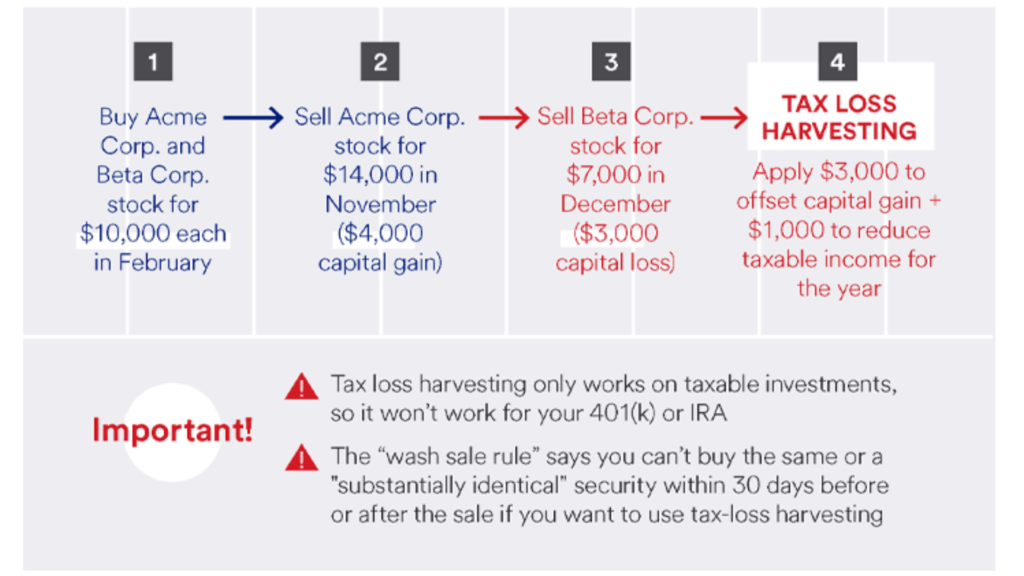
Tax-loss harvesting is a proven way to lower long-term tax liability. It can benefit any investor with a taxable account.
After a strong rally in stocks this year, it might be difficult to find big losers, but if there’s an old thematic play that didn’t work out, now could be the time to reallocate.
Tax-loss harvesting involves selling investments at a loss to offset gains elsewhere in a client’s account. Advisors can take it a step further by rolling those proceeds into new positions. Structured Notes can offer a strategic option here, allowing advisors to turn those former losing assets into new, protective investment solutions.
After back-to-back years of strong gains in the S&P 500, shifting part of a client portfolio to Notes with downside protection could be the ideal prudent play. You can also tax-loss harvest with Notes themselves.
For example, selling a Structured Note at a loss frees up capital to invest in a similar Note with refreshed terms, which could benefit from any year-end volatility increases. By defining a new outcome for the client, you personalize their strategy, making the allocation easier to stick with in the client’s mind.
Another strategy? Taking losses on traditional stock or ETF positions, then buying a new Growth Structured Note with a comparable objective. This can result in a strategy that’s part offense, part defense.
Offensively, a Note enhances upside participation with a payout greater than 100% of the underlier. This can help make up for losses faster than harvesting losses with traditional direct investments, such as with most ETFs. Defensively, downside protection(s) can help mitigate losses from potential market declines that may arise.
Most advisors do some form of tax-loss harvesting. For instance, when executing seemingly minor portfolio adjustments consider adding Structured Notes to client portfolios. Their downside protection, upside participation, and high-income potential may appeal to investors after a stellar two-year stock market advance.
As always, this idea is intended to spark more productive conversations with clients and prospects. It is not intended to be financial or tax advice; please consult with a tax advisor about various tax-harvesting strategies, regardless of how you implement them.
Tax-Loss Harvesting Mechanics
Content and any tools discussed are provided for educational and information purposes only. Halo Investing makes no investment recommendations and does not provide financial, tax, or legal advice. Any structured product or financial security discussed are for illustrative purposes only and are not intended to portray a recommendation to buy or sell a particular product or service.
The investment strategies mentioned here may not be suitable for everyone. Each investor needs to review an investment strategy for his or her own particular situation before making any investment decision. All expressions of opinion are subject to change without notice in reaction to shifting market conditions.
Data contained herein from third-party providers is obtained from what are considered reliable sources. However, its accuracy, completeness, or reliability cannot be guaranteed. Examples are provided for illustrative purposes only and not intended to be reflective of results you can expect to achieve. only and not intended to be reflective of results you can expect to achieve.
Please see our other important disclosures.